
Your car can lose its showroom shine when you wash it regularly. Small scratches, swirl marks and dull paint can make the outside look worn and neglected. Professional paint correction can smooth the finish. Bring back the gloss. Knowing how paint correction works can help you decide whether your car needs this treatment.
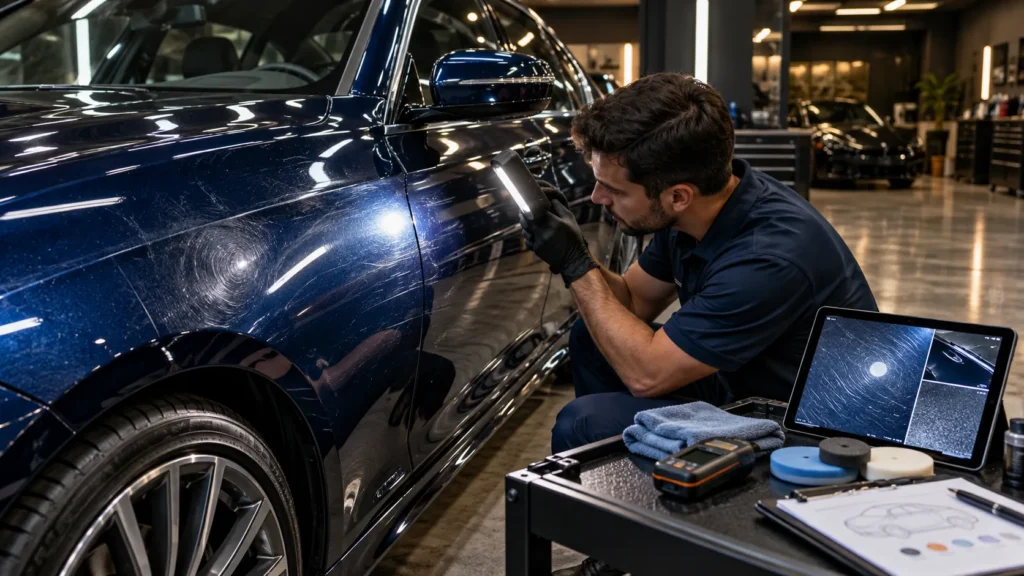
What Causes Swirl Marks and Scratches on Your Car?
Swirl marks and scratches often appear because of cleaning habits and the environment. Even a small amount of dirt can damage the finish if it is dragged across the paint. Knowing the causes can help you stop more damage after you have corrected your car finish.
Washing and Drying Techniques
Using rough towels, dirty sponges or wrong washing methods can drag abrasive particles across the paint. Dry wiping a car can also create fine scratches. Wash with products and dry with clean microfiber towels to reduce extra contact damage.
Automatic Car, Dirty Cleaning Tools
Some automatic car washes use brushes that can add marks after many visits. Dirty wash mitts and contaminated towels can cause problems. Choose tools and gentle washing to protect your car paint.
Environmental Factors and Everyday Wear
Road dust, airborne particles, tree branches and bushes can scratch your car paint. Parking in places may also expose the paint to accidental scuffs. Most of the time, some damage cannot be avoided, regular care and careful parking can limit wear.
What Is Paint Correction and How Does It Work?
Paint correction is a detailing step that reduces the look of imperfection. It usually includes checking the finish, getting the surface ready and using a machine to polish the coat. The goal is to elevate the clarity, gloss and light reflection without removing the paints that are needed.
The steps differ based on how bad the flaws are, the paint condition and what you want to achieve. Some cars need polish while others may need several correction stages.
Paint Inspection and Surface Preparation
The detailer first looks at the paint under lighting to spot swirl marks, scratches, oxidation and other faults. The vehicle is then washed clean to remove dirt. If needed the detailer may clean the surface thoroughly before polishing. Proper preparation stops existing dirt from scratching the paint during correction.
Removing Swirl Marks and Light Scratches Through Polishing
The detailer picks a polish compound, pad and machine setting based on the paint. The polish process gently refines the coat to cut down the look of minor flaws. Aggressive methods are usually chosen when they can give the desired improvement. Not every scratch can be corrected safely.
The thickness of the paint previous polishing and the depth of each flaw affect the approach. A professional check helps decide how much correction is right while keeping the coat safe.
Refining the Paint for a Glossy Finish
After the correction a finishing polish may be used to improve clarity and smoothness. The detailer removes residue. Check the surface under good light to see the results. Once the paint is clean and smooth a matching protective product can help keep the look.
What Are the Benefits of Paint Correction?
Paint correction offers benefits for vehicle owners who want a cleaner, more refined exterior. Results depend on the condition of the paint. Professional paint correction can improve many common surface imperfections.
Restores Paint Gloss and Clarity
Swirl marks reflect the paint and then lead towards hazy. By reducing surface defects paint correction helps light reflect evenly. Paint correction can make the finish look clearer, deeper and glossier without repainting the vehicle.
Reduces the Appearance of Swirl Marks and Scratches
Polishing can significantly reduce many light scratches and swirl marks inside the clear coat. The improvement depends on the depth and location of every defect. Deeper scratches may remain visible after proper paint correction is carefully performed.
Enhances Your Car’s Overall Appearance
A smoother reflective finish can make a vehicle look more cleaner and maintained. Paint correction can also elevate the appearance of darker paint colors, where imperfections are often more noticeable. Paint correction can be useful before photographs, special events or selling a car.
Prepares the Paint for Protective Coatings
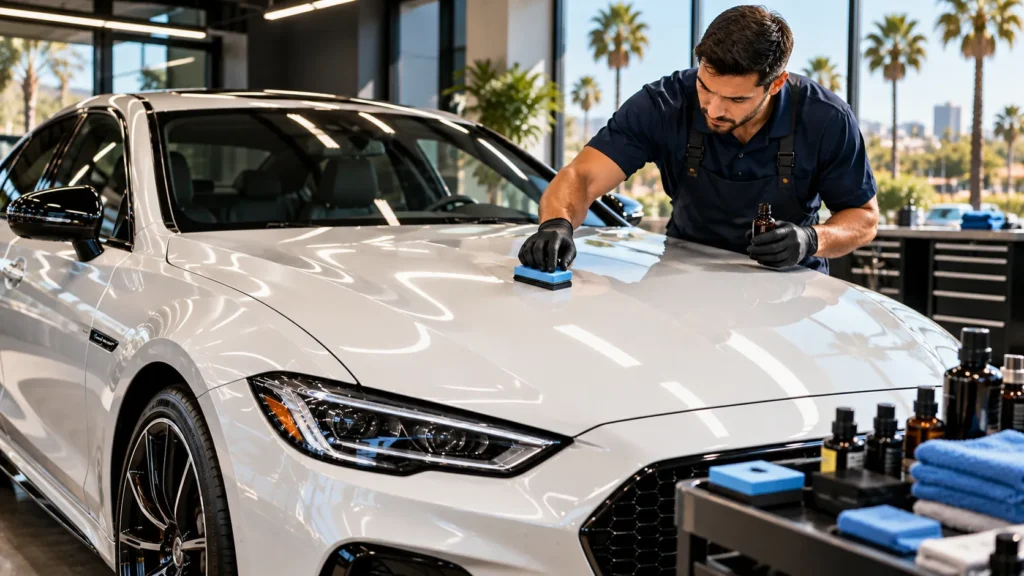
Correcting paint before applying wax, sealant or ceramic coating helps in creating a surface for security. Polishing can reduce that would otherwise remain beneath the protective layer. However coatings do not repair scratches so correcting imperfections before protection can improve the final appearance.
Can Paint Correction Remove All Scratches?
No paint correction cannot safely remove every scratch. Paint correction works best on imperfections that’re shallow enough to be refined within the clear coat. Deeper scratches that reach the color coat, primer or metal may require touchup paint or professional bodywork.
A useful initial check is to inspect scratches in lighting. If scratch appears deep or exposes another layer avoid polishing at home. Even scratches that seem minor can vary in depth. A professional inspection is the safest way to determine the appropriate treatment.
How to Maintain Your Car’s Gloss After Paint Correction?
Once your vehicle paint has managed, take care of it in the proper manner. A good washing routine prevents new scratches and helps the surface stay clean between professional visits.
- Use Safe Car Washing Techniques
- Choose the Right Microfiber Towels
- Protect Your Paint with Wax or Ceramic Coating
Restore Your Car’s Shine with Professional Paint Correction
A professional inspection, careful polishing and proper protection help achieve a more reflective finish while preserving the paint as much as possible. Avoid DIY polishing methods. Instead choose a detailer who explains what results are realistic. With maintenance and the right paint protection your vehicle can stay looking its best for years. If your car’s paint looks dull or scratched, consider getting an assessment to see if paint correction is the right choice.